Skip to content

Evidence

Know what you're choosing.

What the research found. What it didn't. The details that matter for the product in front of you.

The evidence rule

  1. 01

    Every product carries a grade, on the card and on its page.

  2. 02

    Every claim points to a numbered study you can read.

  3. 03

    Where the evidence is thin or the effect is temporary, we say so in the same place.

111

randomized trials of bright light, pooled in one analysis.

47,4712

adults in the analysis of daily steps.

1373

women in a split-face trial of red light.

704

adults in a single-use trial of water flossing against string.

The grades

Five grades. One on every product.

A grade describes the research behind the method a product uses. It is not a score for the product, and it is not a promise.

Strong evidence

Supported by randomized trials or large meta-analyses.

Good evidence

Supported by controlled trials, smaller or shorter.

Plausible

Built on a well-supported mechanism; the product itself is not trialled.

Routine

Feels good, effect is temporary. We say so.

Tool

Makes a habit easier. No health claim.

Want the shelf sorted this way? Shop by product, evidence first. Or read how we grade.

Read this before any study below

The trials tested the method, not our units.

What the trials tested

A method: bright light in the morning, red light on skin, more daily steps, a mask over the eyes at night. The researchers used their own equipment, on their own participants.

What you get

A product built to do that method at home. Each product page sets what the trial used beside what you get, with a plain grey mark where they differ.

What we haven't done yet

Brightness, wavelength, speed and other product figures come from the supplier listings. We have not yet measured them on our own samples; each will be confirmed before launch.5

These products are not medical devices and are not intended to diagnose, treat, cure or prevent any disease. If you are managing a condition, talk to your doctor first.

The studies

Every study we cite.

8 studies stand behind 7 of our 10 products. Each card says what was found, who was studied, and what the study is not.

Study 01 · Bright light

Across 11 randomized trials of people under medical care, adding bright light did better than the comparison, which was usually dim red light.

Published in
JAMA Psychiatry, 2025
The study
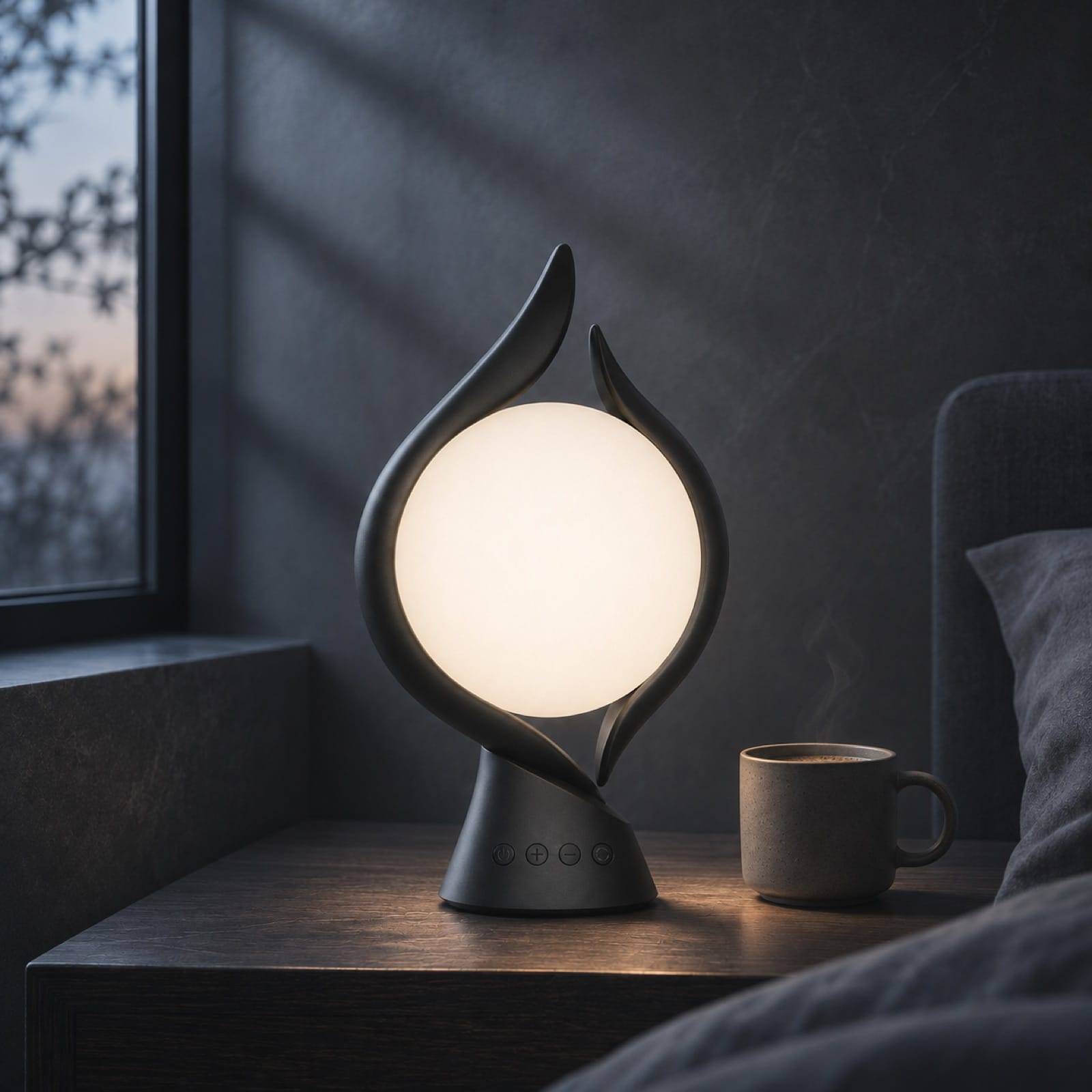
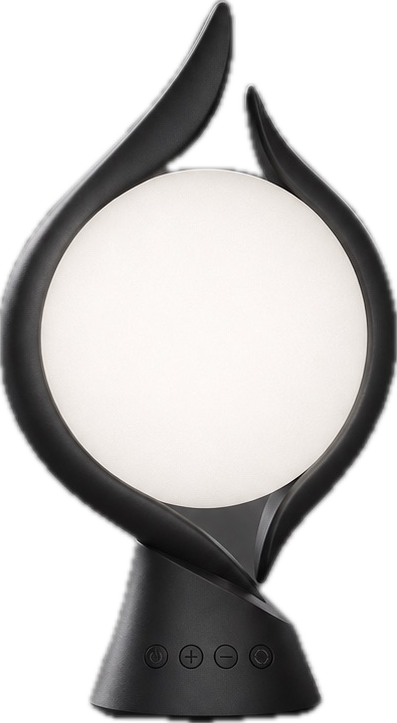
Meta-analysis of 11 randomized trials. Usual protocol: 10,000 lux for 30–60 minutes a day, for one to six weeks. The patients were being treated for non-seasonal depression. The Rise Lamp is a daily-routine lamp, not a treatment for any condition.
Method tested
Bright light in the morning
Cited on
Rise Lamp
What it isn't
A test of the Rise Lamp. The trial tested the method, not our unit.

Study 02 · Eye mask

After nights in a light-blocking eye mask, young adults did slightly better on a word-learning test and reacted slightly faster. The effects were small.

Published in
Sleep, 2023
The study
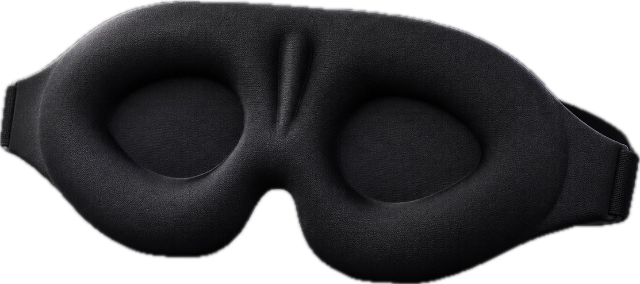
Two experiments in healthy young adults, 89 and 33 analysed, each comparing a full mask with a control (Greco et al.). Hours slept and self-rated sleep quality did not change, and a 2023 reanalysis put the learning effect just short of significance (p = 0.053).
Method tested
Sleeping in a light-blocking mask
Cited on
Night Mask
What it isn't
A test of the Night Mask. The trial tested the method, not our unit.

Study 03 · Evening light

Ordinary room light in the hours before bed delayed melatonin onset and shortened its duration by about 90 minutes, compared with dim light.

Published in
Journal of Clinical Endocrinology & Metabolism, 2011
The study
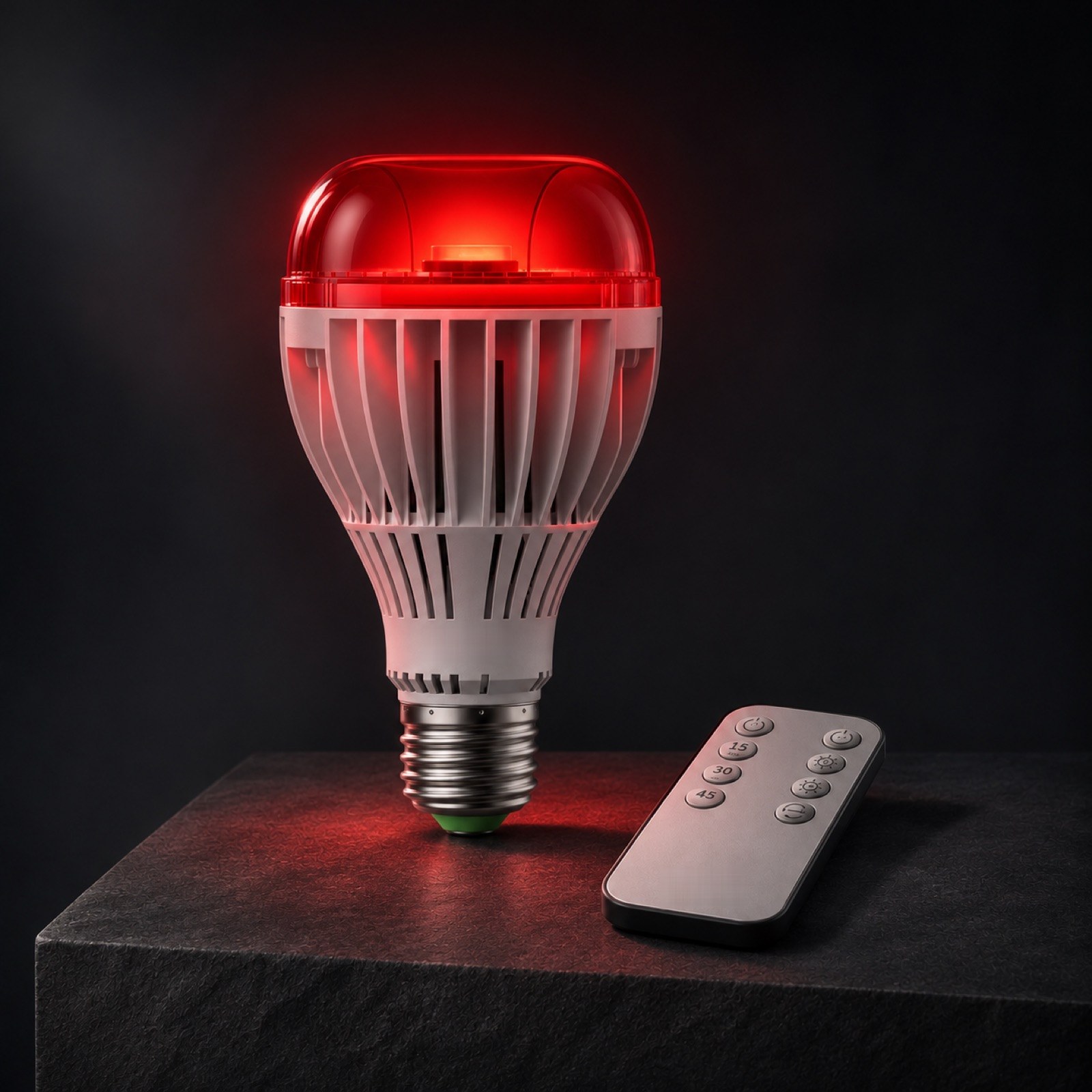
Analysis of 116 adults aged 18–30 (Gooley et al.). The study used ordinary white room light. It did not test red light and did not measure sleep.
Method tested
Dim light before bed
What it isn't
A test of the Red Night Bulb. The trial tested the method, not our unit.

Study 04 · Red light

After 30 sessions of red light, blinded raters scored wrinkles as improved in about 7 in 10 people, against 4% of an untreated group.

Published in
Photomedicine and Laser Surgery, 2014
The study
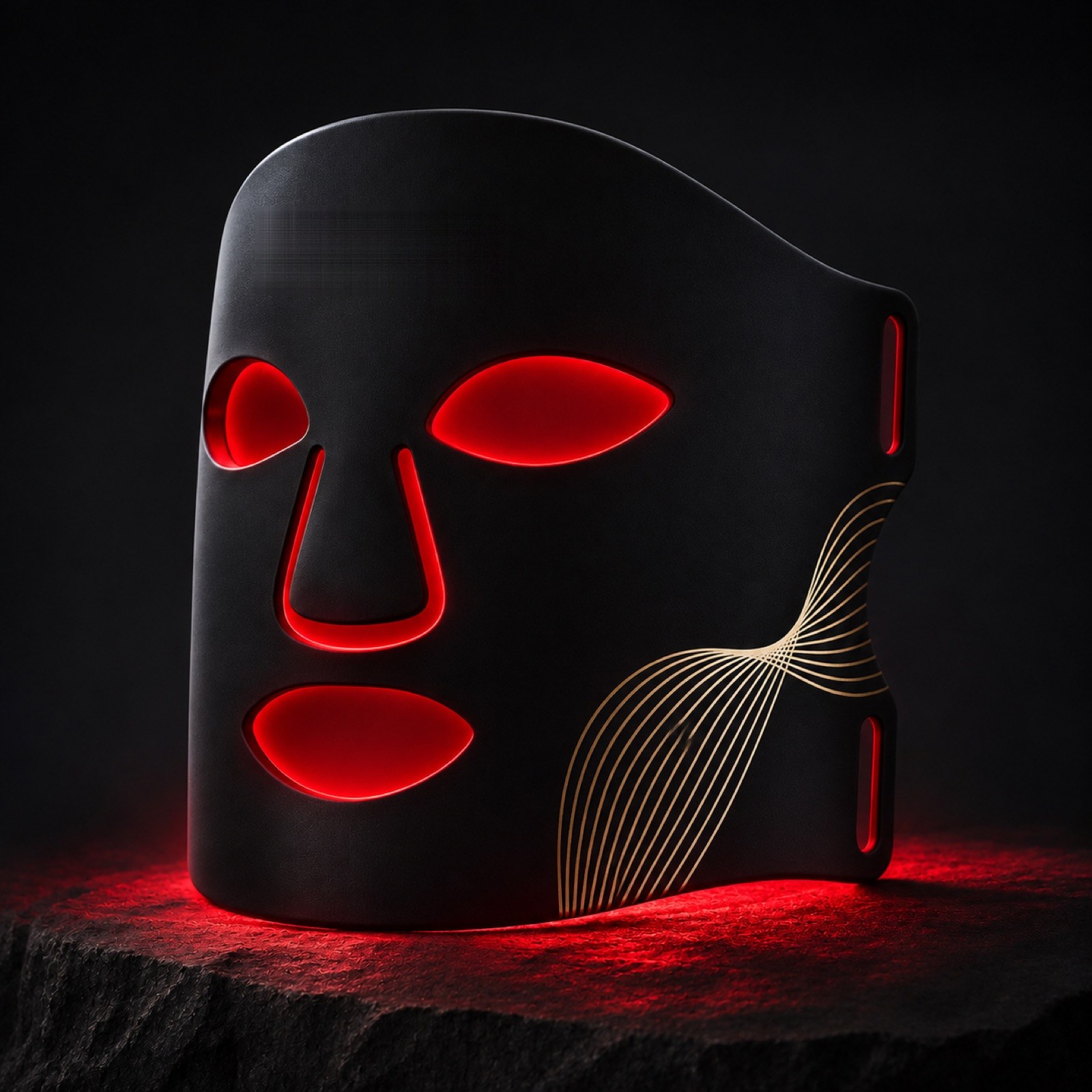
Controlled trial, 136 volunteers, twice a week. Its limits: the lamp maker funded it, the untreated group was not randomized, and the light came from lamp units, mostly full-body, not a face mask.
Method tested
Red light on skin
Cited on
Red Mask
What it isn't
A test of the Red Mask. The trial tested the method, not our unit.

Study 05 · Red light, split-face

Ten sessions over four weeks cut wrinkle volume around the eyes by about 30%. The amber-light side of the face improved almost as much.

Published in
Photobiomodulation, Photomedicine, and Laser Surgery, 2023
The study
Split-face randomized trial, 137 women: 31.6% on the red side (660 nm; our mask is 630 nm) and 29.9% on the amber side. No side went untreated, so the change cannot be credited to red light alone. Hydration did not change.
Method tested
Red light on skin
Cited on
Red Mask
What it isn't
A test of the Red Mask. The trial tested the method, not our unit.
No public link on file yet. We cite the journal and year.

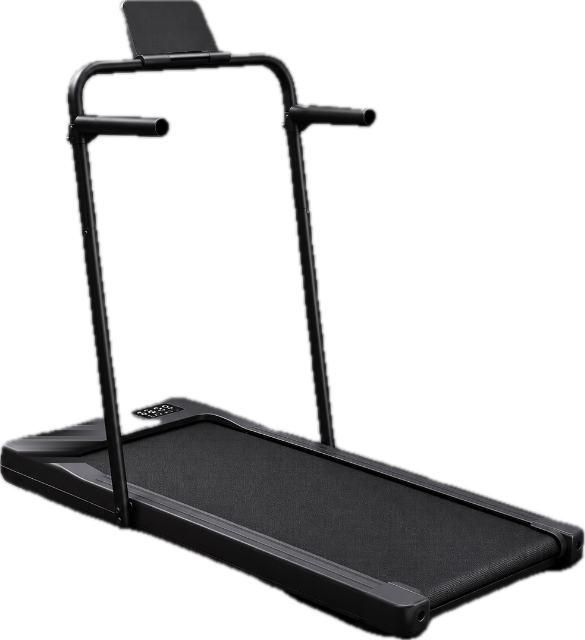
Study 06 · Daily steps

More daily steps meant progressively lower risk of death, levelling off around 6,000–8,000 steps for older adults and 8,000–10,000 for younger adults.

Published in
Lancet Public Health, 2022
The study
Meta-analysis of 15 cohorts, 47,471 adults (Paluch et al.). It is observational: it shows a link, and the authors draw no causal conclusion.
Method tested
More steps each day
Cited on
Desk Walker
What it isn't
A test of the Desk Walker. The trial tested the method, not our unit.

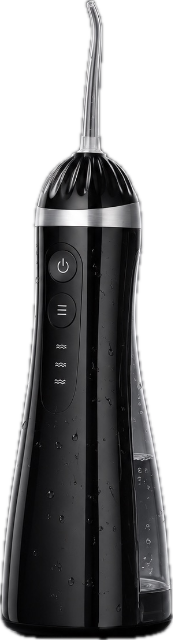
Study 07 · Water flossing

In a single-use trial, a countertop water flosser removed 29% more plaque than string floss. A later independent trial of a cordless one found no difference.

Published in
Journal of Clinical Dentistry, 2013
The study
Randomized trial, 70 adults, one use, run with one maker's countertop unit: plaque down 74% against 58% with string floss (Goyal et al.). A 2021 independent trial of a cordless unit in 83 people found 87% against 89%. A 2019 Cochrane review rates the evidence low to very low.
Method tested
Water flossing
Cited on
Jet
What it isn't
A test of the Jet. The trial tested the method, not our unit.

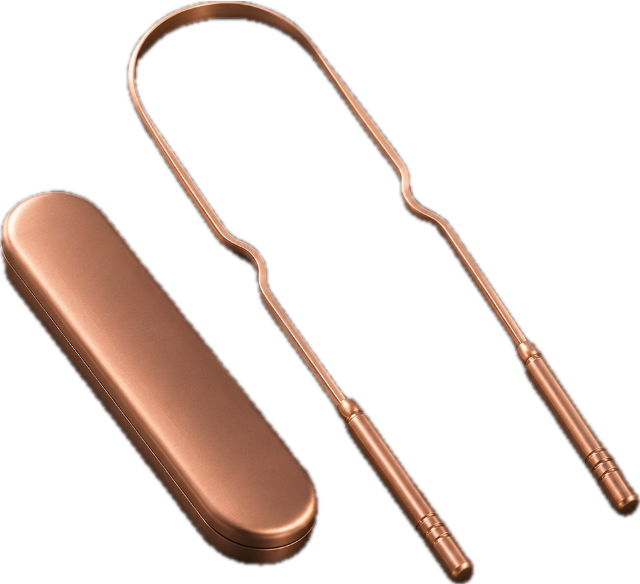
Study 08 · Tongue scraping

In a 10-person trial, a tongue scraper cut odor-causing sulfur compounds more than brushing the tongue.

Published in
Journal of Periodontology, 2004
The study
Small comparative trial (Pedrazzi et al.). A 2019 Cochrane review rates the evidence on tongue cleaning as very uncertain, and the ADA says there is no evidence that scraping prevents bad breath.
Method tested
Scraping the tongue
What it isn't
A test of the Copper Scraper. The trial tested the method, not our unit.

Read further

One page per method. One page per study.

The dose each trial used, who was in it, who paid for it, and what it does not show. Each page says whether we read the full paper or the abstract only.

Study

Bright light added to depression care: a meta-analysis of 11 trialsWhat did the JAMA Psychiatry meta-analysis of bright light therapy find?Reviewed November 17, 2026

Study

Red and broad-spectrum light on skin: a 2014 controlled trialDoes red light therapy work for wrinkles?Reviewed November 17, 2026

Study

Red and amber light on crow's feet: a 2023 split-face trialDoes red light reduce wrinkles around the eyes?Reviewed November 17, 2026

Study

Daily steps and risk of death: a 2022 meta-analysis of 15 cohortsWhat did the 2022 Lancet meta-analysis of daily steps find?Reviewed November 17, 2026

Study

Water flosser vs string floss after one use: a 2013 trialWhat did the 2013 single-use water flosser vs string floss trial find?Reviewed November 17, 2026

Study

Eye masks, next-day learning and alertness: a 2023 studyDoes wearing an eye mask at night improve learning and alertness?Reviewed November 17, 2026

Study

Room light before bed and melatonin: a 2011 lab studyDoes room light before bed delay melatonin?Reviewed November 17, 2026

Study

Tongue scraper vs toothbrush on the tongue: a 2004 crossover trialIs a tongue scraper better than a toothbrush for cleaning the tongue?Reviewed November 17, 2026

Study

Floss, brushes and water flossers: a 2019 Cochrane reviewWhat does the Cochrane review say about water flossers and floss?Reviewed November 17, 2026

Study

Ways to manage bad breath: a 2019 Cochrane reviewWhat does the Cochrane review say about tongue cleaning for bad breath?Reviewed November 17, 2026

Study

Which colours of light suppress melatonin: a 2001 studyWhat wavelength of light suppresses melatonin the most?Reviewed November 17, 2026

No study cited

Three tools have no study behind them.

They are on the shelf because they make a morning better or a habit easier. We grade them that way and claim nothing more.

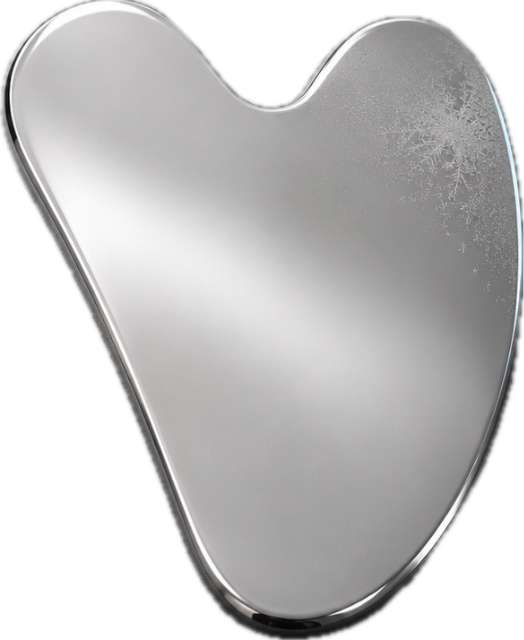
Steel Gua Sha

It gives you two cold, slow minutes at the mirror before the day starts: mirror-polished steel from the freezer, a drop of oil, light strokes outward.

$24
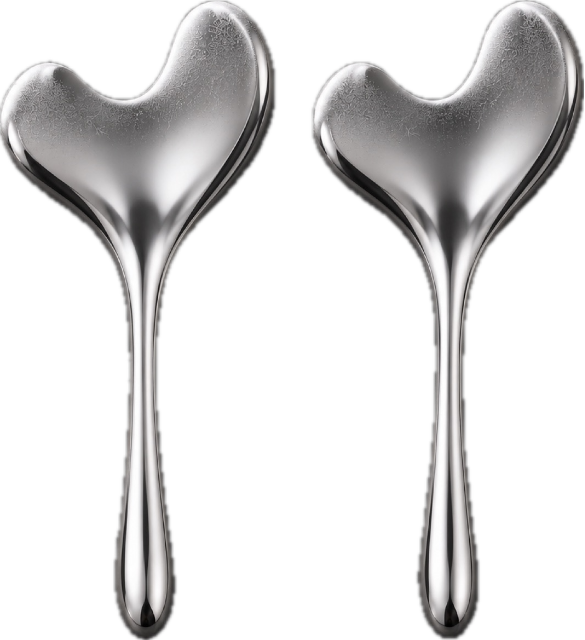
Ice Globes

Ice Globes

Routine

Three cold minutes under the eyes, for the mornings your face gives away the night. Cold eases puffiness for a while, which is usually all you need before a call.

$19
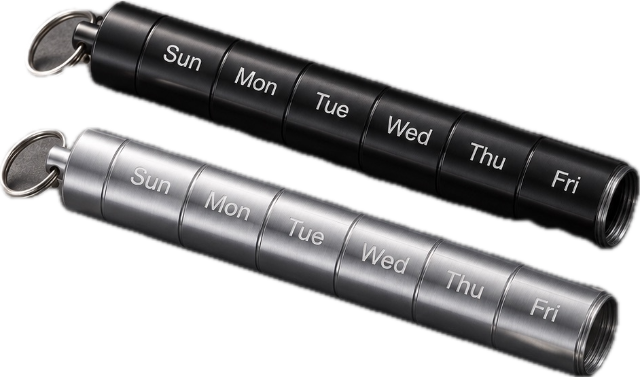
Stack Cases

Makes a habit easier. No health claim.

$29

See a claim on this site that the study doesn't support? Write to hello@outwill.shop. A person replies.

Footnotes

  1. 1JAMA Psychiatry, 2025. Across 11 randomized trials of people under medical care, adding bright light did better than the comparison, which was usually dim red light. Meta-analysis of 11 randomized trials. Usual protocol: 10,000 lux for 30–60 minutes a day, for one to six weeks. The patients were being treated for non-seasonal depression. The Rise Lamp is a daily-routine lamp, not a treatment for any condition. Read the study
  2. 2Lancet Public Health, 2022. More daily steps meant progressively lower risk of death, levelling off around 6,000–8,000 steps for older adults and 8,000–10,000 for younger adults. Meta-analysis of 15 cohorts, 47,471 adults (Paluch et al.). It is observational: it shows a link, and the authors draw no causal conclusion. Read the study
  3. 3Photobiomodulation, Photomedicine, and Laser Surgery, 2023. Ten sessions over four weeks cut wrinkle volume around the eyes by about 30%. The amber-light side of the face improved almost as much. Split-face randomized trial, 137 women: 31.6% on the red side (660 nm; our mask is 630 nm) and 29.9% on the amber side. No side went untreated, so the change cannot be credited to red light alone. Hydration did not change.
  4. 4Journal of Clinical Dentistry, 2013. In a single-use trial, a countertop water flosser removed 29% more plaque than string floss. A later independent trial of a cordless one found no difference. Randomized trial, 70 adults, one use, run with one maker's countertop unit: plaque down 74% against 58% with string floss (Goyal et al.). A 2021 independent trial of a cordless unit in 83 people found 87% against 89%. A 2019 Cochrane review rates the evidence low to very low. Read the study
  5. 5Brightness, wavelength, speed and other product figures come from the supplier listings. We have not yet measured them on our own samples; each will be confirmed before launch.