Study · JAMA Psychiatry, 2025
Bright light added to depression care: a meta-analysis of 11 trials
The question: What did the JAMA Psychiatry meta-analysis of bright light therapy find?
In 11 randomized trials of 858 people being treated for non-seasonal depression, adding bright light raised remission rates from 23.5% to 40.7%. It is a study of patients under medical care, and it does not show that a home lamp treats any condition.
The paper
Menegaz de Almeida A, Aquino de Moraes FC, Cavalcanti Souza ME, Cavalcanti Orestes Cardoso JH, Tamashiro F, Miranda C, Fernandes L, Kreuz M, Alves Kelly F (2025). Bright Light Therapy for Nonseasonal Depressive Disorders: A Systematic Review and Meta-Analysis. JAMA Psychiatry.
Read it at the source · DOI 10.1001/jamapsychiatry.2024.2871 · PubMed
We read the full paper.
Who was studied, and how
- Design
- Systematic review and meta-analysis of randomized clinical trials published from 2000 to March 2024 (protocol registered on PROSPERO, CRD42024531310). Published online October 2024, in print January 2025.
- Participants
- 11 trials, 858 patients (649 women, 75.6%)
- Population
- People with non-seasonal depression, almost all treated as outpatients. Three trials were of bipolar depression and one mixed unipolar and bipolar. One trial was of adolescent inpatients.
What the trial used
- Brightness
- 10,000 lux in 9 of 11 trials; 7,000 lux and 5,000 lux in one trial each
- Session
- 30–60 minutes a day
- Course
- 1 to 6 weeks
- Timing
- Morning where stated (for example, after waking and before 09:00, or between 08:00 and 09:00)
- Light source
- Defined as a fluorescent light box giving white light
- Comparison
- Dim red light (50 to under 500 lux), a negative ion generator, or antidepressant alone
What it found
Remission and response of depression symptoms, each trial using its own cut-off on a depression rating scale, plus scores on the Hamilton, MADRS and CGI scales.
- Effect, as reported
- Remission 40.7% with bright light vs 23.5% without (odds ratio 2.42, 95% CI 1.50–3.91; 8 trials). Response 60.4% vs 38.6% (odds ratio 2.34, 95% CI 1.46–3.75). Hamilton score fell 1.44 points more (95% CI 0.48–2.40). MADRS and CGI scores did not differ significantly.
Limitations
- Each trial defined remission and response with its own scale and cut-off.
- Most trials were small, with roughly 16 to 55 people per group.
- The largest trial (224 adolescent inpatients) lost more than half of its participants during follow-up.
- Unipolar and bipolar depression could not be analysed separately.
- Light courses were short, 1 to 6 weeks, so long-term effects are unknown.
- The paper's group totals (426 with bright light, 389 controls) add up to 815, not the 858 it reports.
Funding and conflicts
No funding source is stated in the paper. Conflict of interest disclosures: none reported.
What it does not show
- That any consumer lamp treats, cures or prevents depression or any other condition.
- Anything about people without depression, such as using light for energy or sleep timing.
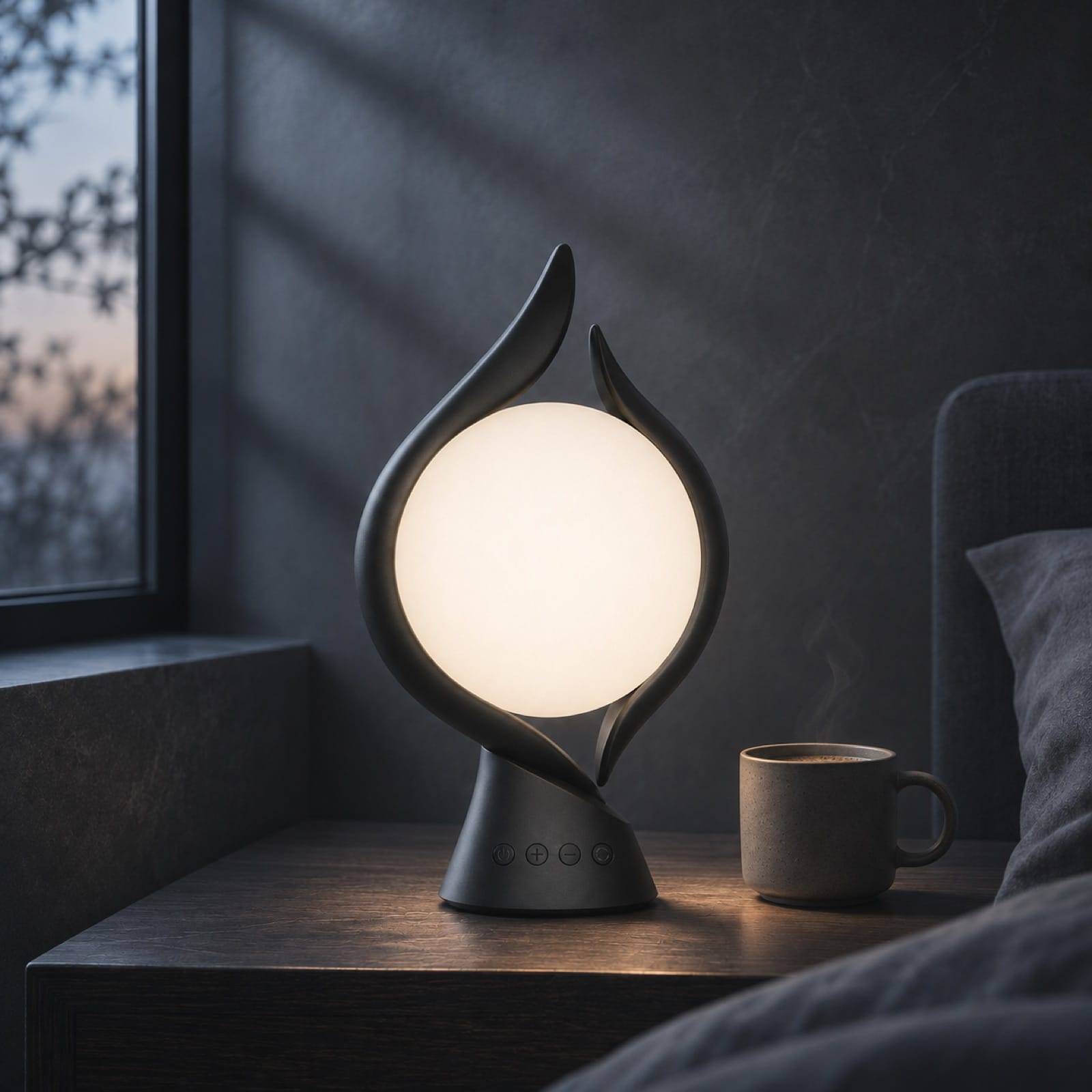
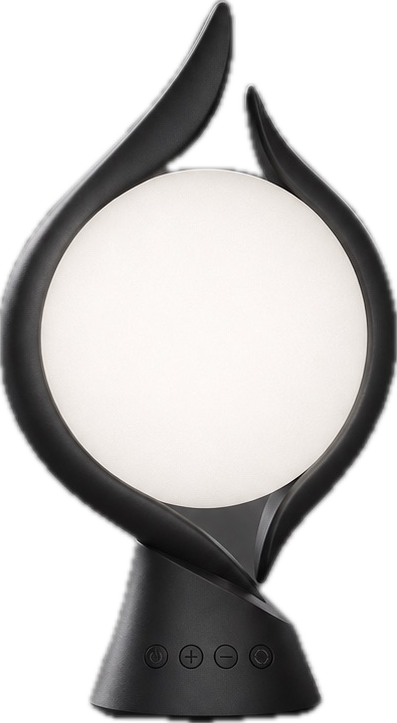
- Anything about the Rise Lamp. The trials used clinical light boxes, defined as fluorescent white light.
- That light works on its own. In most trials it was added to other care.
The trial, not our unit
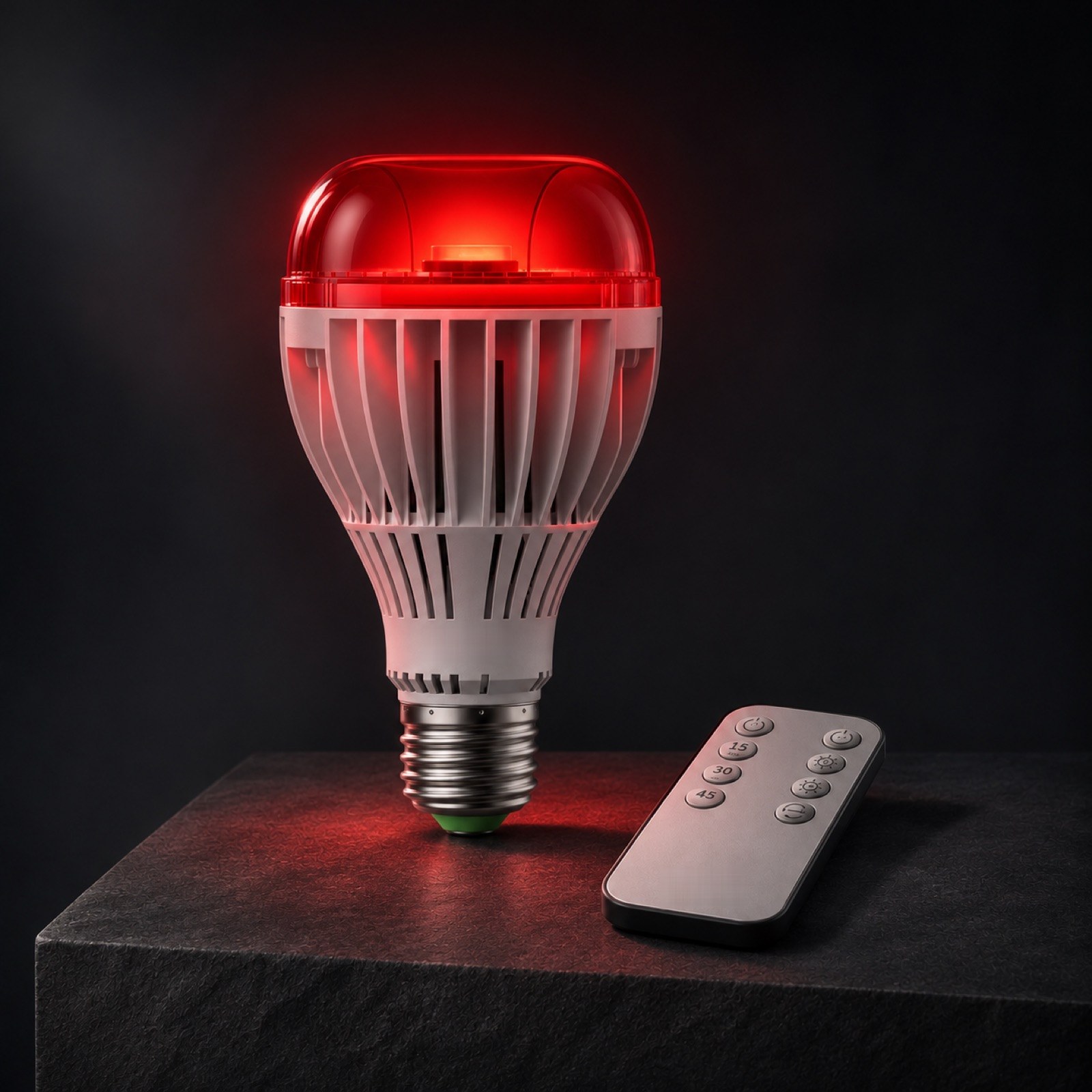
This study tested a method with the researchers' own equipment. It did not test any OUTWILL product. Each product page sets what the trial used beside what you get, and marks where they differ.
On our shelf
Read next
Method
Bright morning lightHow long should you use a 10,000 lux lamp?Reviewed November 17, 2026Guide
How to use a light therapy lampWhat time should you use a light therapy lamp, and for how long?Reviewed November 17, 2026Guide
How to choose a light therapy lampWhat should you look for in a light therapy lamp?Reviewed November 17, 2026Comparison
Light therapy lamp vs sunrise alarm clockIs a light therapy lamp or a sunrise alarm clock better?Reviewed November 17, 2026Comparison
Light therapy lamp vs going outsideIs a light therapy lamp as good as going outside?Reviewed November 17, 2026Sources
Corrections
See something wrong, or a study we read differently than you? Write to hello@outwill.shop. A person checks it, corrects the page and updates the review date. How we grade and review.