How to choose
How to choose a light therapy lamp
The question: What should you look for in a light therapy lamp?
Look for 10,000 lux at a stated, comfortable distance, a large diffused surface without glare, and no UV. A '10,000 lux' claim with no distance is the most common trap: in a 2019 test of 24 devices, only 7 met basic brightness, coverage and glare criteria.
The numbers that matter
- Lux, at a stated distance
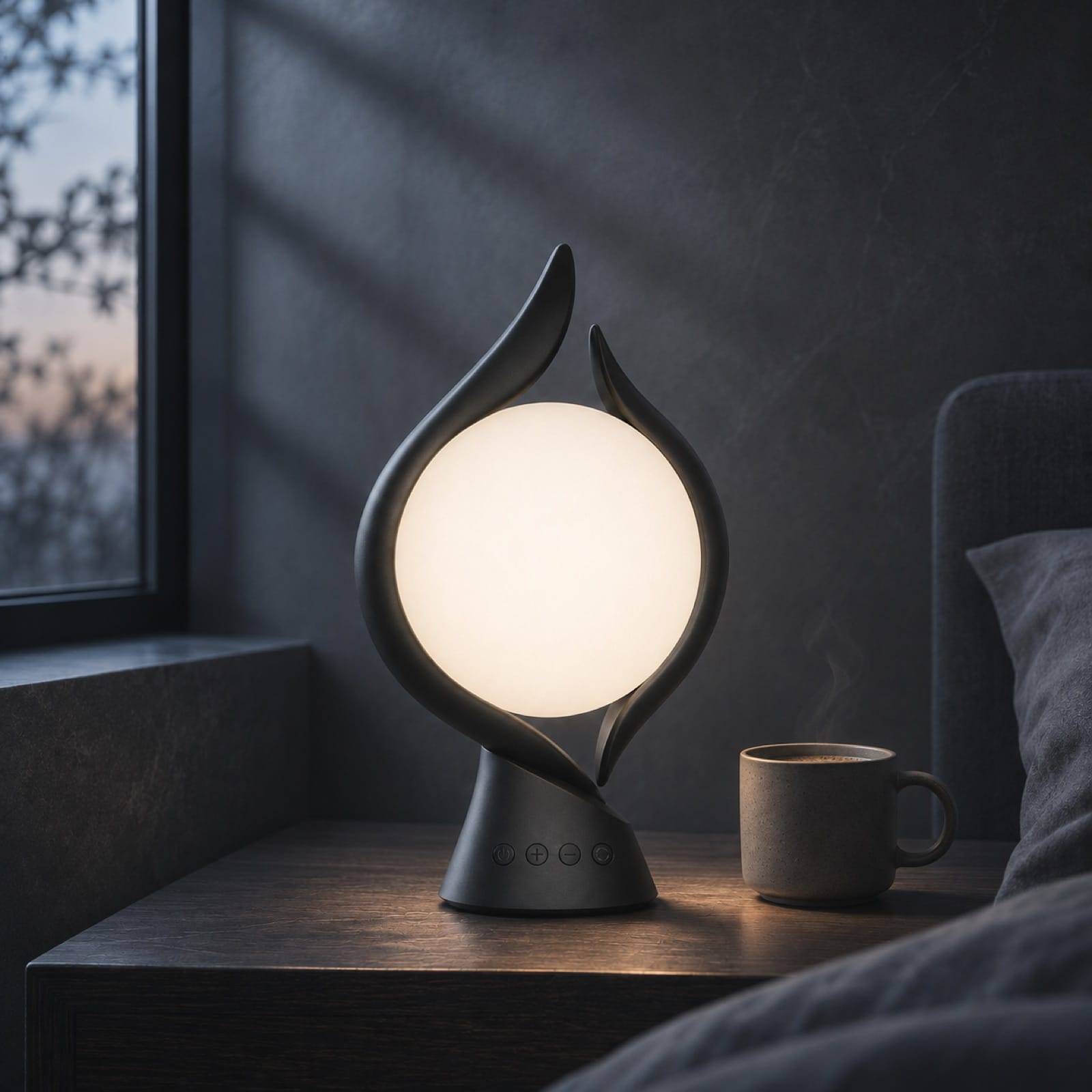
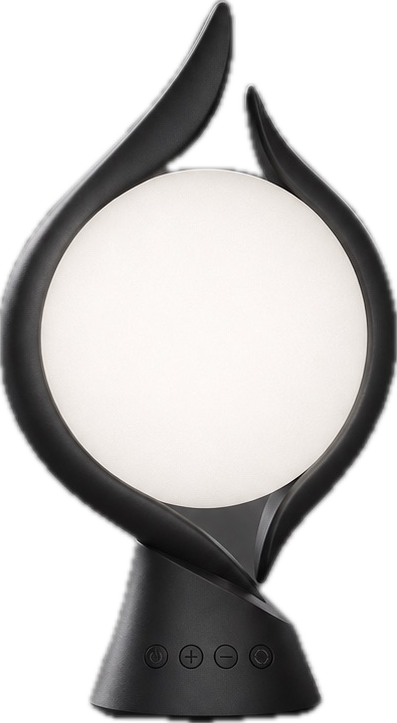
- The number is meaningless without the distance. A 2019 study measured 24 devices and found some '10,000-lux' units reach it only at very close range. Its authors define adequate as 7,000+ lux at 12 inches or more. Rise Lamp: rated 10,000 lux; the distance isn't in our listing yet, and we'll publish it once measured.
- Session length
- Cleveland Clinic: about 30 minutes each morning at 10,000 lux, or as your doctor or the maker's instructions say.
- Size of the lit area
- Larger boxes were brighter over a wider range of distances and kept 5,000+ lux six inches off-centre; small boxes were more often rated glaring (Oldham 2019). Rise Lamp: panel size not stated in our listing.
- UV
- Should be none. Cleveland Clinic notes sun lamps don't give off UV. Rise Lamp: UV-free.
- Colour of the light
- Deep-blue light carries a higher retinal hazard, and one device peaking at 413 nm scored worst on the 2019 study's hazard measure. White light is the format used in most research. Rise Lamp: three colour temperatures; its spectrum hasn't been measured yet.
- Glare and height
- Look for a diffused, even surface. Raised devices reduce glare and leave the table free (Oldham 2019). Rise Lamp: glare not yet assessed.
- Flicker
- None of the 24 devices tested in 2019 showed visible flicker. Rise Lamp: not measured yet.
How to check a lamp you already own
The 2019 study's authors note that free lux-meter phone apps let you check you're getting 10,000 lux at a given distance. A length of string can help you keep the same distance each morning.
Talk to a doctor first if
You have macular degeneration or another eye condition, lupus, connective tissue disease, diabetes, existing skin cancers or bipolar disorder, or take a medication that makes you sensitive to light (Cleveland Clinic).
On our shelf
Read next
Method
Bright morning lightHow long should you use a 10,000 lux lamp?Reviewed November 17, 2026Study
Bright light added to depression care: a meta-analysis of 11 trialsWhat did the JAMA Psychiatry meta-analysis of bright light therapy find?Reviewed November 17, 2026Guide
How to use a light therapy lampWhat time should you use a light therapy lamp, and for how long?Reviewed November 17, 2026Comparison
Light therapy lamp vs sunrise alarm clockIs a light therapy lamp or a sunrise alarm clock better?Reviewed November 17, 2026Comparison
Light therapy lamp vs going outsideIs a light therapy lamp as good as going outside?Reviewed November 17, 2026Guide
How to use a red light maskHow often should you use a red light mask?Reviewed November 17, 2026Sources
Corrections
See something wrong, or a study we read differently than you? Write to hello@outwill.shop. A person checks it, corrects the page and updates the review date. How we grade and review.