Light therapy lamp vs Going outside
Light therapy lamp vs going outside
The question: Is a light therapy lamp as good as going outside?
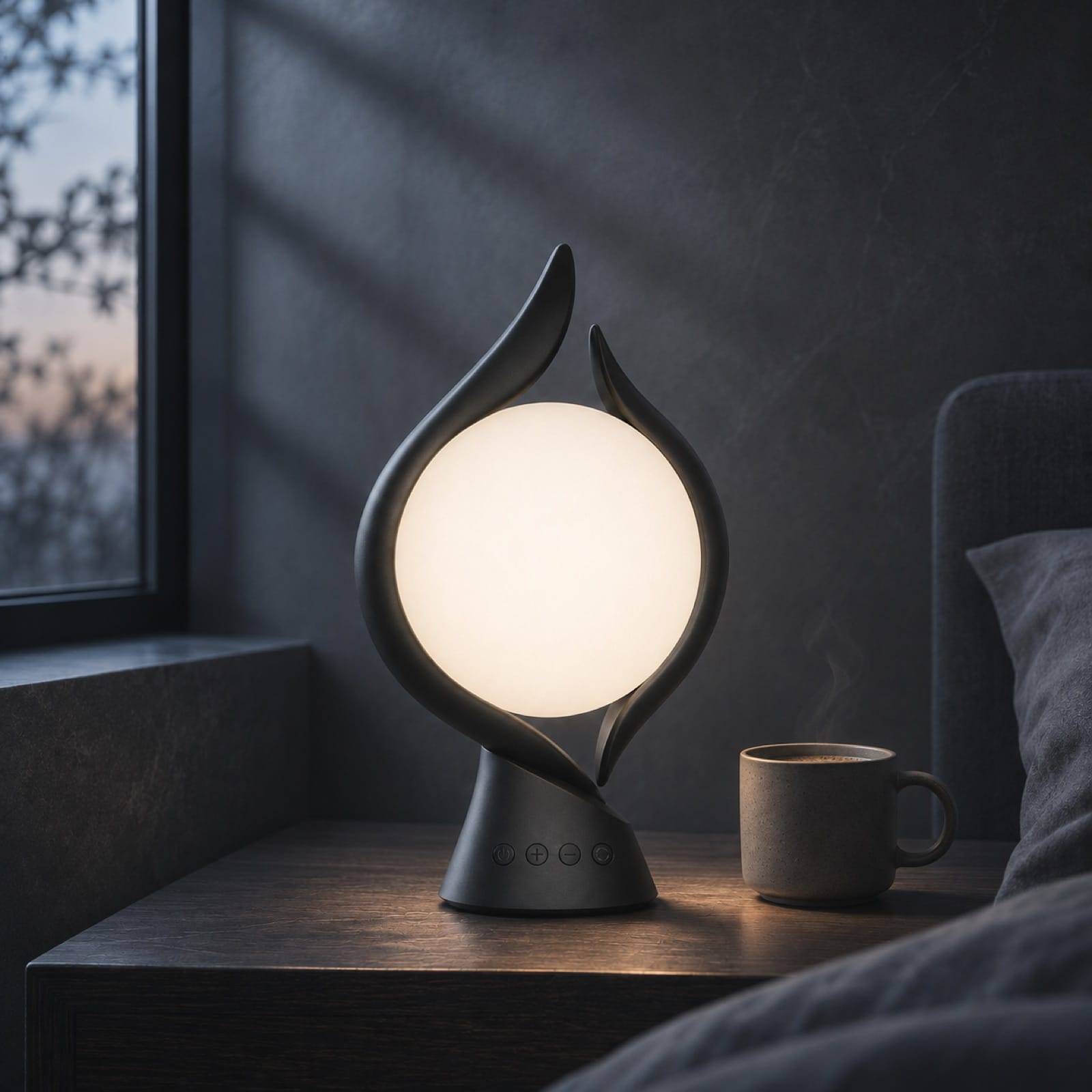
Daylight is usually as bright or brighter: even an overcast day gives about 2,500 lux at the eye and bright sunshine more than 10,000. A lamp earns its place when it is dark, cold or wet, or when you can't get outside in the hour after waking.
Side by side
| Compared on | Light therapy lamp | Going outside |
|---|---|---|
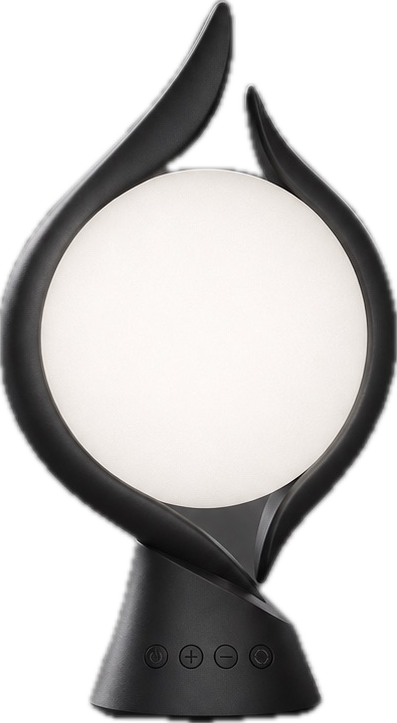
| Light at the eye | 10,000 lux at the maker's stated distance (ours: distance not stated yet) | Overcast: about 2,500 lux; bright sun: over 10,000; up to 100,000 has been recorded |
| Before sunrise or in bad weather | Yes | No |
| Spectrum | White LED, no UV (our spec) | Broad-spectrum daylight |
| What you can do meanwhile | Read, eat, work at a table | Walk, take a call, drink coffee outside |
| Research base | Large light boxes are the format used in most light-therapy trials | A week of natural light only reset campers' body clocks to sunrise and sunset (2013) |
| Cost | Ours: $129 | Free |
Where light therapy lamp wins
- It works in the dark: before sunrise, in winter, in rain.
- The dose is fixed and repeatable: same light, same distance, every morning.
- You can sit at it while you eat or work, which is easier to keep up on busy mornings.
Where going outside wins
- It is usually brighter: a 2019 device study notes that a properly diffused large light box exposes the eye to less light than being outdoors on a sunny day.
- It is free.
- The 2022 expert consensus notes known and suspected benefits of broad-spectrum outdoor daylight beyond what electric light provides.
How bright each one is
A 2008 clinical review puts an overcast day at about 2,500 lux at the eye and bright sunshine above 10,000, with outdoor light as high as 100,000 lux recorded; it compares 10,000 lux to being outside on a sunny but not excessively bright day. Light therapy lamps are rated at 10,000 lux, but only at a stated distance. Ours is rated at 10,000 lux and the distance isn't in our listing yet; we'll publish it once measured.
Indoors is dim
The 2022 expert consensus notes that indoor lighting is typically at least ten times dimmer than outdoor light, and that many people get less daytime light than it recommends. That is why ten minutes outside counts, even on a grey day.
What a week outdoors did
In a 2013 study, people who went camping with only natural light shifted their body clocks earlier, so their internal night began near sunset and ended just after sunrise. Later chronotypes shifted the most. It is a small study, but it shows what daylight does that modern indoor life doesn't.
Use both
Our own routine puts a lamp first thing and a walk outside at midday. If you can get outside within an hour of waking, do that; the lamp is for the mornings you can't. If you have an eye condition, bipolar disorder or take a medication that makes you sensitive to light, Cleveland Clinic advises talking to your doctor before using a bright lamp.
On our shelf
Read next
Comparison
Copper vs stainless steel tongue scraperIs a copper or stainless steel tongue scraper better?Reviewed November 17, 2026Comparison
Water flosser vs string flossIs a water flosser better than string floss?Reviewed November 17, 2026Comparison
Stainless steel vs jade gua shaIs a stainless steel or jade gua sha better?Reviewed November 17, 2026Comparison
Walking pad vs treadmillShould you get a walking pad or a treadmill?Reviewed November 17, 2026Comparison
Red vs amber night light for sleepIs a red or amber night light better for sleep?Reviewed November 17, 2026Comparison
Light therapy lamp vs sunrise alarm clockIs a light therapy lamp or a sunrise alarm clock better?Reviewed November 17, 2026Sources
- Sloane, Figueiro and Cohen, Clinical Geriatrics 2008: Light as therapy for sleep disorders and depression in older adults
- Oldham, Oldham and Desan, Psychiatr Res Clin Pract 2019: measured light output of 24 light therapy devices (full text)
- Brown et al., PLoS Biol 2022: expert consensus recommendations for daytime, evening and night light (full text)
- Wright et al., Curr Biol 2013: the human clock under natural light while camping (PubMed abstract)
- Cleveland Clinic: Are sun lamps best to improve your winter mood?
Corrections
See something wrong, or a study we read differently than you? Write to hello@outwill.shop. A person checks it, corrects the page and updates the review date. How we grade and review.