Light therapy lamp vs Sunrise alarm clock
Light therapy lamp vs sunrise alarm clock
The question: Is a light therapy lamp or a sunrise alarm clock better?
They do different jobs. A 10,000-lux lamp gives a large dose of light after you wake; a sunrise alarm gives a small one, about 250 lux in studies, while you are still asleep. In head-to-head trials people split on which they preferred.
Side by side
| Compared on | Light therapy lamp | Sunrise alarm clock |
|---|---|---|
| Peak light at the eye | 10,000 lux at the distance the maker states | About 250 lux in the studies we read |
| When | After waking, about 30 minutes (Cleveland Clinic) | During the last 30 minutes or so of sleep |
| Your time | You sit near it for the session | None; it runs while you sleep |
| Wakes you up | No | Yes, with rising light and usually a sound |
| In healthy adults | Bright white light above 500 lux had an alerting effect in 15 of 19 studies (cited in the 2022 consensus) | In 12 healthy adults, dawn simulation raised the normal morning cortisol rise and self-rated arousal |
| Head-to-head preference (40 people, 2015) | 21 preferred it, mostly because it felt more effective | 19 preferred it, citing a more natural feel, size, time saved, or eyestrain from the lamp |
| Side effects | Eye strain, nausea or headache, mainly if you sit too close or look into it | None reported in what we read |
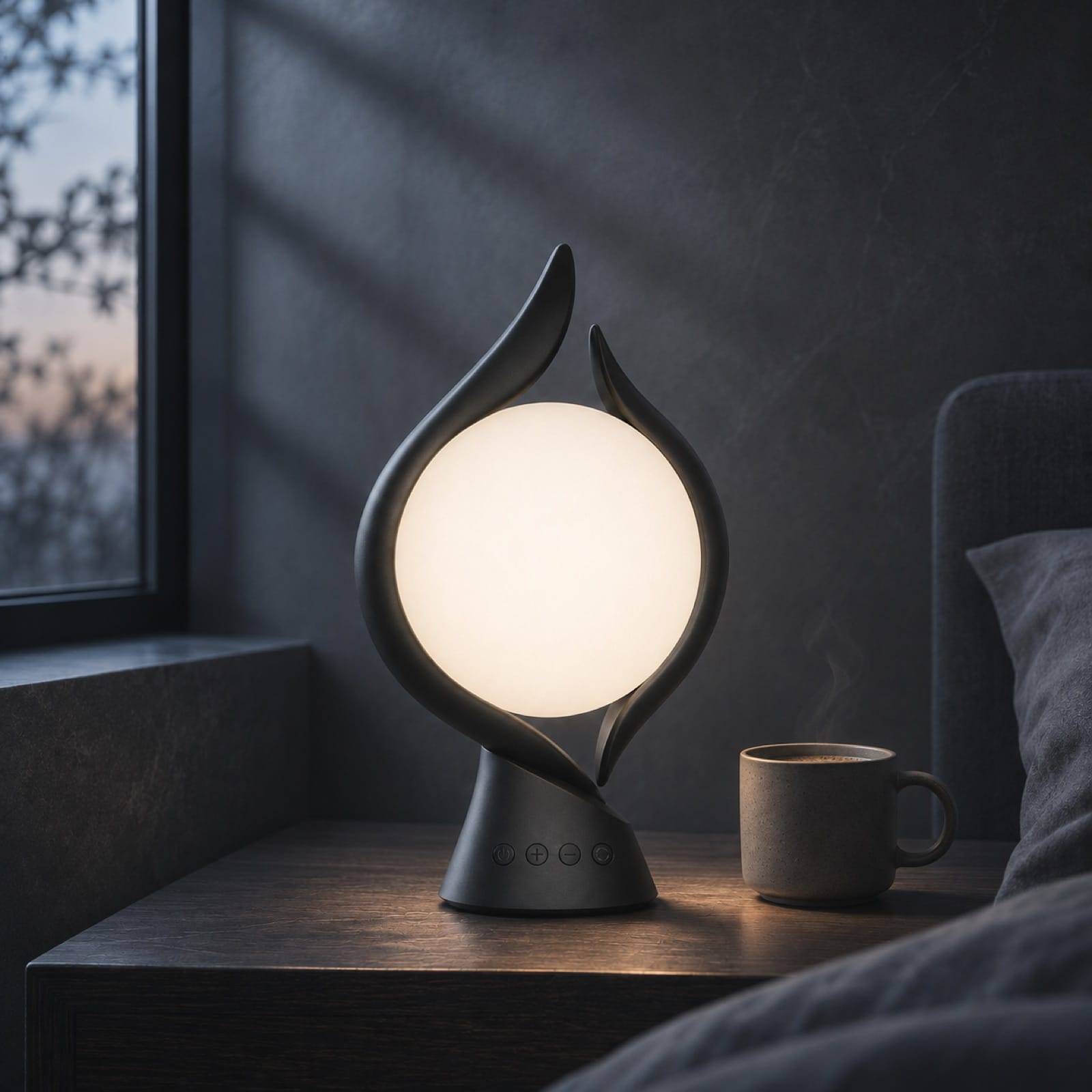
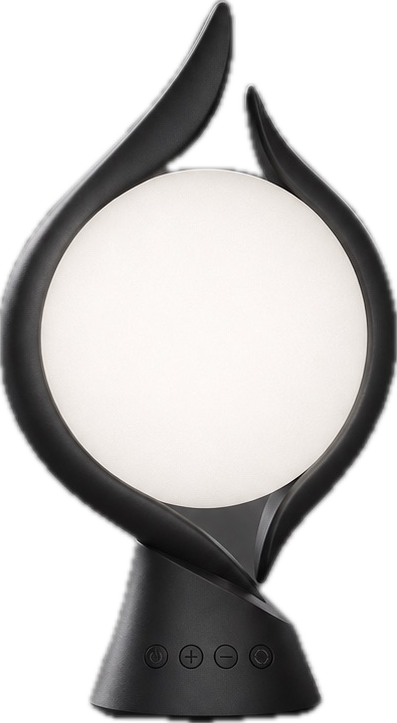
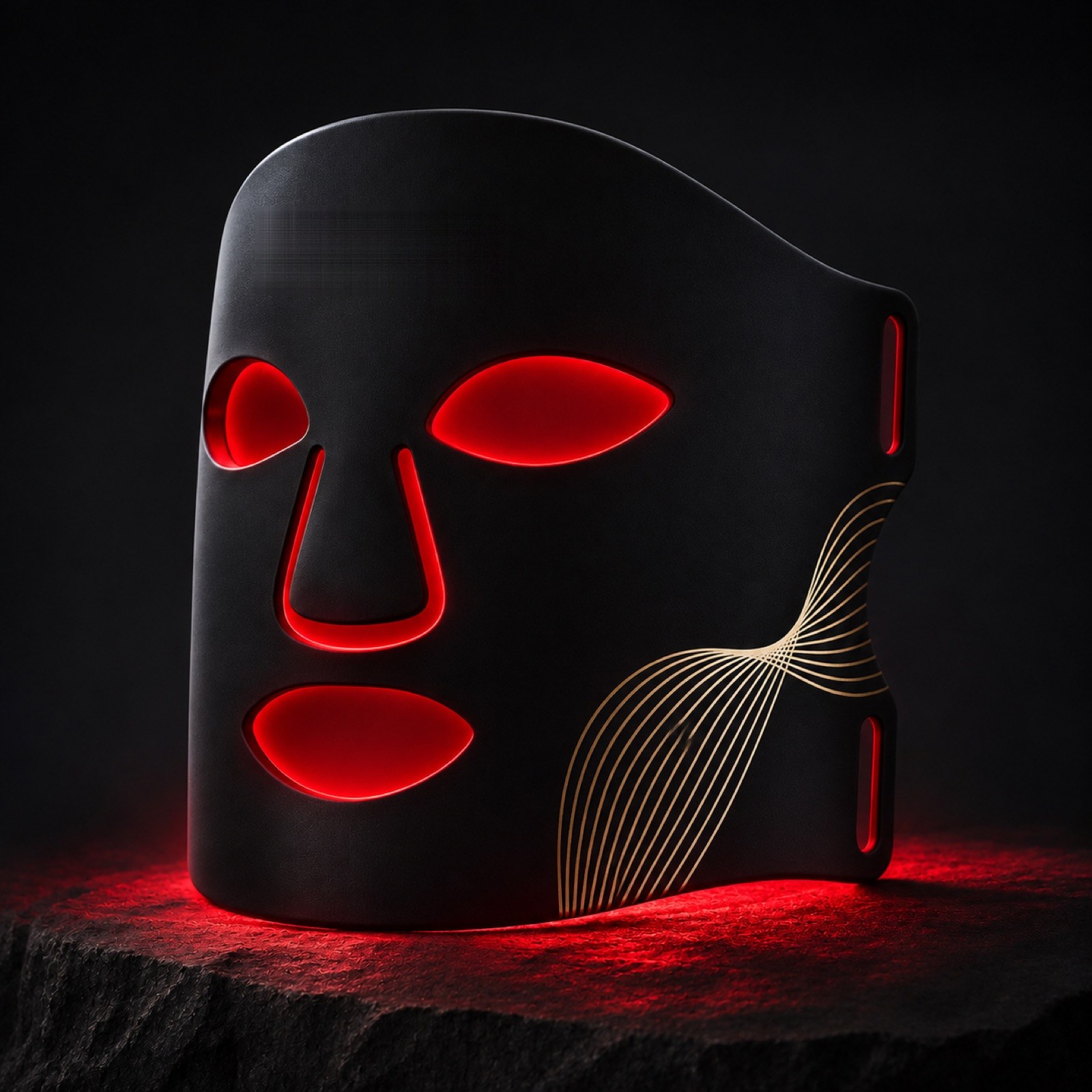
| Our option | Rise Lamp, $129, 10,000 lux, UV-free | We don't sell one |
Where light therapy lamp wins
- A much larger dose: 10,000 lux against about 250 lux.
- Large light boxes are the format used in most light-therapy research.
- It works whenever you are up, including before a sunrise alarm would make sense, and you can read or eat while it runs.
Where sunrise alarm clock wins
- It costs you no time: the light rises while you sleep.
- It is gentler on the eyes: in a 2015 crossover trial, four people who preferred the dawn simulator said the bright lamp caused eyestrain.
- Several people in that trial preferred it for being smaller and more natural to use.
Two very different doses
Dawn simulators in the trials we read ramp up over the last half hour of sleep to about 100 to 250 lux. A light therapy lamp is used after waking at 10,000 lux; Cleveland Clinic suggests about 30 minutes each morning at that brightness. That is roughly a 40-fold difference in brightness at the peak.
What the comparisons found
The direct comparisons were done in people with winter depression, which our products do not treat and we make no claims about. In a 2015 crossover trial of 40 people, outcomes were similar and preferences split 21 to 19. Those who preferred the lamp mostly found it more effective; those who preferred the dawn simulator cited a more natural feel, a smaller device, time saved, or eyestrain from the lamp. A 2006 trial of 99 adults did not find a naturalistic dawn better than 30 minutes of 10,000-lux light.
In healthy people
We found one small study in healthy adults: 12 people using a dawn simulator that rose to about 250 lux over 30 minutes had a larger cortisol rise after waking and felt more aroused than on control days. For bright light, the 2022 expert consensus cites a meta-analysis in which bright white light had an alerting effect in 15 of 19 studies.
Talk to a doctor first if
Cleveland Clinic advises against bright light lamps if you have macular degeneration, lupus, connective tissue disease, diabetes or existing skin cancers, warns that added light can trigger a manic episode in bipolar disorder, and suggests asking your doctor whether any medication you take makes you more sensitive to light.
On our shelf
Read next
Comparison
Copper vs stainless steel tongue scraperIs a copper or stainless steel tongue scraper better?Reviewed November 17, 2026Comparison
Water flosser vs string flossIs a water flosser better than string floss?Reviewed November 17, 2026Comparison
Stainless steel vs jade gua shaIs a stainless steel or jade gua sha better?Reviewed November 17, 2026Comparison
Walking pad vs treadmillShould you get a walking pad or a treadmill?Reviewed November 17, 2026Comparison
Red vs amber night light for sleepIs a red or amber night light better for sleep?Reviewed November 17, 2026Comparison
Light therapy lamp vs going outsideIs a light therapy lamp as good as going outside?Reviewed November 17, 2026Sources
- Danilenko and Ivanova, J Affect Disord 2015: dawn simulation vs bright light, crossover, 40 people (PubMed abstract)
- Terman and Terman, Am J Psychiatry 2006: naturalistic dawn simulation vs bright light, 99 adults (PubMed abstract)
- Thorn et al., Psychoneuroendocrinology 2004: dawn simulation and the waking cortisol rise, 12 healthy adults (PubMed abstract)
- Cleveland Clinic: Are sun lamps best to improve your winter mood?
- Brown et al., PLoS Biol 2022: expert consensus recommendations for daytime, evening and night light (full text)
- Oldham, Oldham and Desan, Psychiatr Res Clin Pract 2019: measured light output of 24 light therapy devices (full text)
Corrections
See something wrong, or a study we read differently than you? Write to hello@outwill.shop. A person checks it, corrects the page and updates the review date. How we grade and review.