How to use
How to use a light therapy lamp
The question: What time should you use a light therapy lamp, and for how long?
In the morning, for about 30 minutes at 10,000 lux, at the distance the maker gives, with the light off to the side rather than straight in your eyes. Late-evening light pushes the body clock later, so keep it to the morning.
Step by step
Use it in the morning
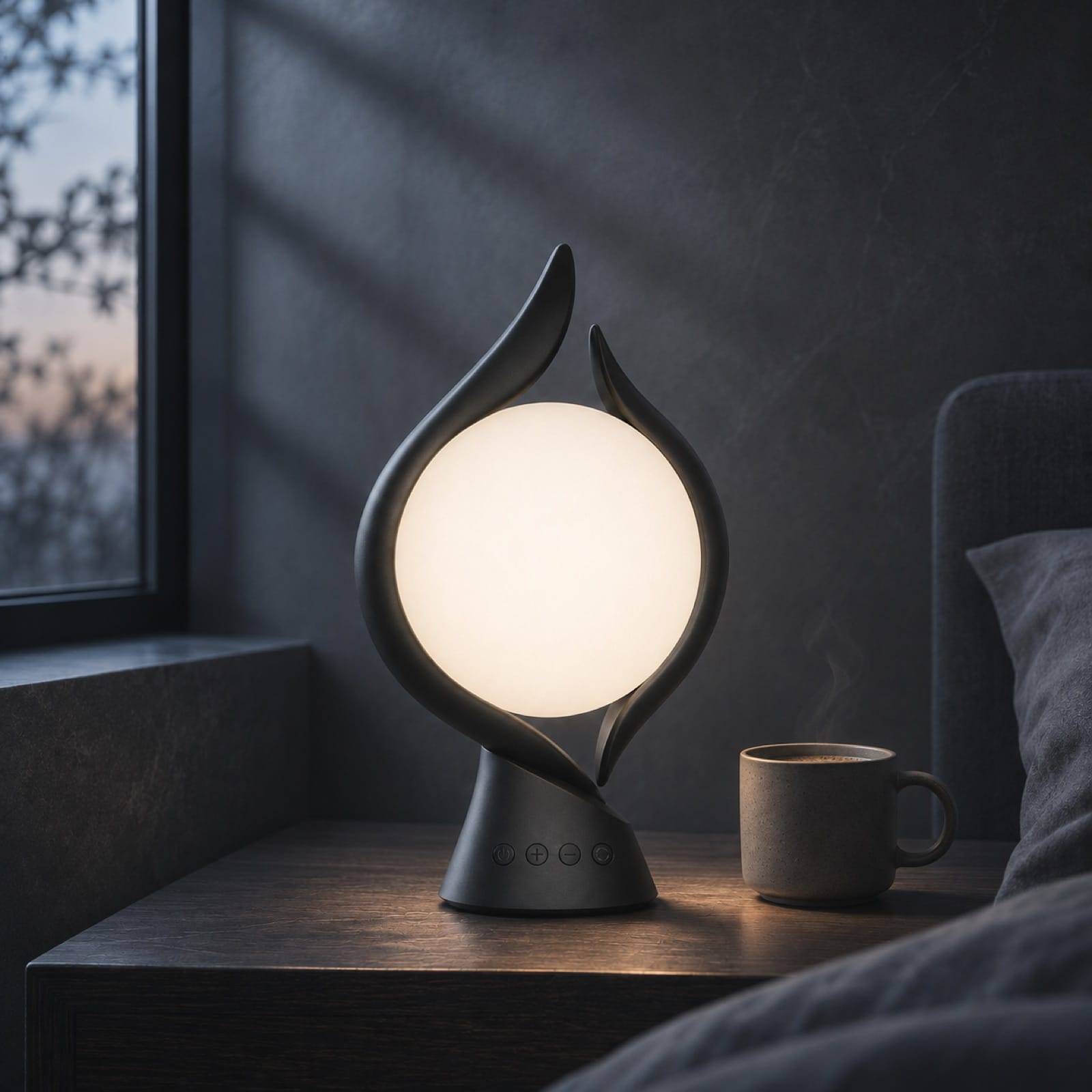
Cleveland Clinic says sun lamps are most effective in the morning and suggests using one with breakfast or coffee. Our routine says within an hour of waking.
About 30 minutes at 10,000 lux
Cleveland Clinic gives about 30 minutes every morning at 10,000 lux, and notes that your doctor's advice or the maker's instructions may change that.
Sit at the stated distance
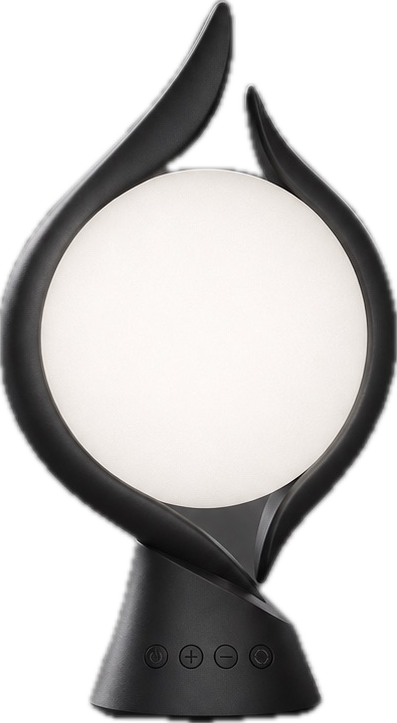
A lamp only reaches 10,000 lux at a set distance, and many devices only hit it at very close range (Oldham 2019). Cleveland Clinic suggests about two to three feet. Our listing doesn't state the distance for the Rise Lamp yet; we'll publish it once measured. Until then, follow the quick-start card.
Off to the side, eyes open, don't stare
The light works through your eyes without you looking at it. Cleveland Clinic says never look directly into the light; doing so can cause eye strain, nausea and headache.
Every morning, not once in a while
The protocols in the research are daily. Write down the mornings you do it for the first two weeks.
Common mistakes
- Using it in the evening. Light late at night delayed melatonin onset the next evening in a 2001 trial, and ordinary room light before bed delayed it in 99% of people in a 2011 analysis.
- Sitting too far away. A 10,000-lux rating holds only at the stated distance; a few extra feet can cut the light you get to a fraction.
- Sitting too close or staring into it. Cleveland Clinic says side effects are more likely if you sit too close.
- Buying on the lux number alone. Clinicians in a 2019 device study advise only lamps that state the distance at which they reach 10,000 lux.
The free version
No lamp yet? Twenty minutes outside within an hour of waking. Even an overcast day gives about 2,500 lux at the eye, and bright sunshine more than 10,000.
Talk to a doctor first if
Cleveland Clinic advises against using a bright light lamp if you have macular degeneration, lupus, connective tissue disease, diabetes or existing skin cancers. It warns that added light can trigger a manic episode in people with bipolar disorder, and suggests asking your doctor whether any medication you take makes you more sensitive to light. The Rise Lamp is a daily-routine lamp, not a treatment for any condition.
On our shelf
Read next
Method
Bright morning lightHow long should you use a 10,000 lux lamp?Reviewed November 17, 2026Study
Bright light added to depression care: a meta-analysis of 11 trialsWhat did the JAMA Psychiatry meta-analysis of bright light therapy find?Reviewed November 17, 2026Guide
How to choose a light therapy lampWhat should you look for in a light therapy lamp?Reviewed November 17, 2026Comparison
Light therapy lamp vs sunrise alarm clockIs a light therapy lamp or a sunrise alarm clock better?Reviewed November 17, 2026Comparison
Light therapy lamp vs going outsideIs a light therapy lamp as good as going outside?Reviewed November 17, 2026Guide
How to use a red light maskHow often should you use a red light mask?Reviewed November 17, 2026Sources
- Cleveland Clinic: Are sun lamps best to improve your winter mood?
- Oldham, Oldham and Desan, Psychiatr Res Clin Pract 2019: measured light output of 24 light therapy devices (full text)
- Sloane, Figueiro and Cohen, Clinical Geriatrics 2008: Light as therapy for sleep disorders and depression in older adults
- Wright and Lack, Chronobiol Int 2001: light wavelength, melatonin suppression and phase delay (PubMed abstract)
- Gooley et al., J Clin Endocrinol Metab 2011: room light before bed and melatonin, 116 adults (PubMed abstract)
Corrections
See something wrong, or a study we read differently than you? Write to hello@outwill.shop. A person checks it, corrects the page and updates the review date. How we grade and review.