Method
Water flossing
The question: Is a water flosser better than floss?
For plaque, it depends on the study. A single-use, manufacturer-linked trial found 74.4% vs 57.7% plaque reduction against string floss, while an independent Cochrane review found no clear plaque difference between oral irrigators and floss, on very low-certainty evidence.
Our grade: Good evidence
Supported by controlled trials, smaller or shorter.
In support: a randomized trial of 70 adults (Goyal 2013). Against a higher grade: that trial was a single use with a Waterpik device and is manufacturer-linked, and the 2019 Cochrane review of 35 trials rates the evidence on oral irrigators low to very low certainty, with a possible gingivitis benefit at one month and no clear plaque benefit. The ADA advises cleaning between teeth once a day and says a water flosser can help people with braces or bridges.
A grade describes the research behind a method. It is not a score for a product and not a promise. How we grade.
What the trials used
| Study | Dose | Duration | Result |
|---|---|---|---|
| Goyal CR 2013 | Waterpik with 500 ml warm water, after 2 minutes of manual brushing | One use | Whole-mouth plaque −74.4% vs −57.7% with string floss |
| Worthington HV 2019 | Oral irrigator plus brushing (5 trials vs brushing, 2 vs floss) | 4 weeks to 6 months | Gingival index lower at 1 month only; no clear plaque difference |
Talk to a doctor first if
- If cleaning between your teeth still hurts, talk with your dentist (ADA).
- Braces, bridges or other dental work: ask your dentist which method fits. The ADA notes a water flosser can help reach around them.
- A water flosser is not a treatment for gum disease.
Still open
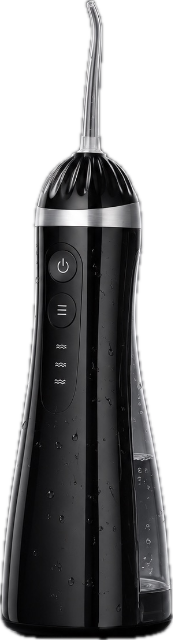
- Whether cordless flossers match the countertop units used in trials.
- Long-term effects on gums and tooth decay in independent trials.
- The best pressure setting.
The studies, one page each
Study
Water flosser vs string floss after one use: a 2013 trialWhat did the 2013 single-use water flosser vs string floss trial find?Reviewed November 17, 2026Study
Floss, brushes and water flossers: a 2019 Cochrane reviewWhat does the Cochrane review say about water flossers and floss?Reviewed November 17, 2026On our shelf
Read next
Guide
How to use a water flosserShould you use a water flosser before or after brushing?Reviewed November 17, 2026Guide
How to choose a water flosserWhat should you look for in a water flosser?Reviewed November 17, 2026Comparison
Water flosser vs string flossIs a water flosser better than string floss?Reviewed November 17, 2026Comparison
Cordless vs countertop water flosserIs a cordless or countertop water flosser better?Reviewed November 17, 2026Sources
- Goyal CR, Lyle DM, Qaqish JG, Schuller R (2013), Journal of Clinical Dentistry
- Worthington HV, MacDonald L, Poklepovic Pericic T, Sambunjak D, Johnson TM, Imai P, Clarkson JE (2019), Cochrane Database of Systematic Reviews
- ADA MouthHealthy: Flossing
- Goyal et al., J Clin Dent 2013 (PubMed)
- Worthington et al., Cochrane 2019 (PubMed)
- Waterpik's page presenting Goyal 2013
- Example of D.M. Lyle's Water Pik, Inc. affiliation (PubMed, 2020)
Corrections
See something wrong, or a study we read differently than you? Write to hello@outwill.shop. A person checks it, corrects the page and updates the review date. How we grade and review.