
How to use
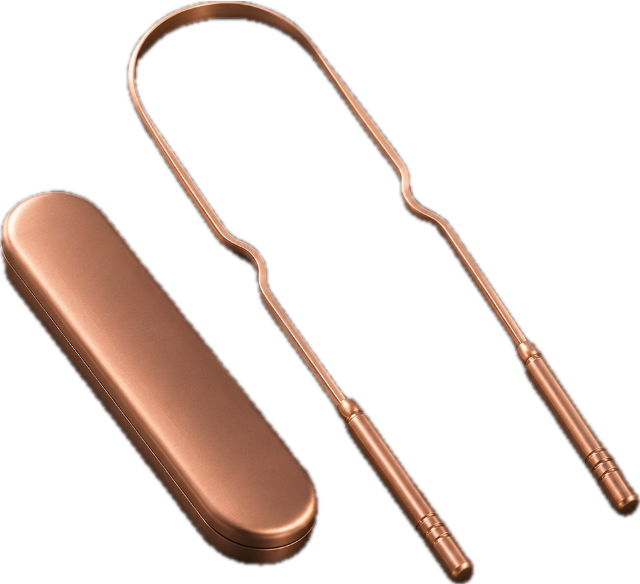
How to use a stainless steel gua sha
The question: How do you use a stainless steel gua sha?
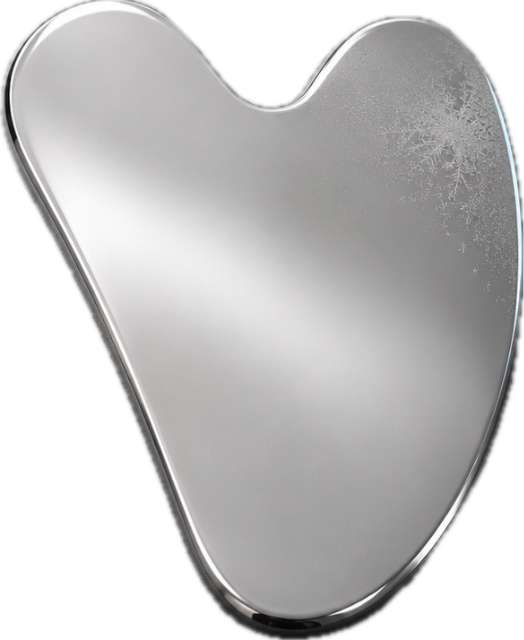
On clean skin with a little oil or serum, light pressure, one direction at a time from the centre of the face outward, for a few minutes. It should feel relaxing, not painful. The evidence for facial gua sha is thin, and research hasn't tested it for puffiness.
Step by step
Chill it if you like
Our routine keeps it in the freezer overnight. No study sets a time. Cold restricts blood vessels and reduces swelling (Cleveland Clinic); use it only on skin with normal feeling and circulation (NHS).
Oil or serum first
Henry Ford Health's acupuncturist says always apply an oil so it glides; Cleveland Clinic suggests lotion or serum.
Light pressure
Cleveland Clinic: facial tissue is thinner than the rest of the body, so don't press hard. A little redness is fine; it shouldn't hurt.
One direction, from the centre outward
Cleveland Clinic: move in one direction in a smooth line, don't rub back and forth, and start near the nose and work outward.
A few minutes
Our routine is two minutes. The 2025 trial used 10 minutes, five times a week, for eight weeks.
Clean it
Cleveland Clinic says some pieces can be sanitised in boiling water or a diluted bleach solution. Replace any piece that chips or breaks.
Common mistakes
- Pressing hard. Too much pressure can cause soreness, bruising or discoloration.
- Dragging over dry skin.
- Using it on irritated or inflamed skin.
- Expecting a new face shape. A 2025 trial reported 2 to 3 mm changes in facial measurements, but it had no untreated group. We make no face-shape claims.
The free version
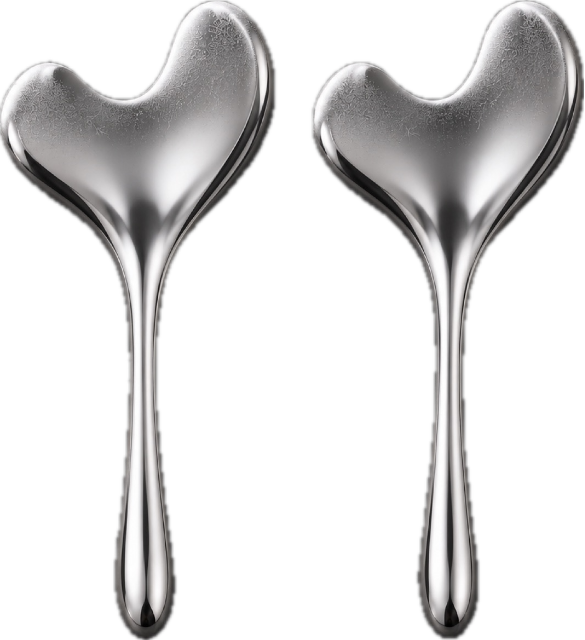
A small wooden spoon. An acupuncturist quoted by Cleveland Clinic says it works just as well.
Skip it or ask first if
Cleveland Clinic lists blood thinners such as aspirin, warfarin (Coumadin) or apixaban, skin conditions such as eczema or psoriasis, circulation problems, diabetes, chemotherapy and pregnancy. Henry Ford Health adds acne, rosacea, open wounds, and recent Botox, fillers or facial surgery.
On our shelf
Read next
Method
Cold on skinDo ice globes or a cold gua sha reduce face puffiness?Reviewed November 17, 2026Comparison
Stainless steel vs jade gua shaIs a stainless steel or jade gua sha better?Reviewed November 17, 2026Guide
How to use a light therapy lampWhat time should you use a light therapy lamp, and for how long?Reviewed November 17, 2026Guide
How to use a red light maskHow often should you use a red light mask?Reviewed November 17, 2026Guide
How to use a walking pad at your deskWhat speed should a walking pad be for desk work?Reviewed November 17, 2026Guide
How to use a sleep maskHow should you wear a sleep mask, and is it worth it?Reviewed November 17, 2026Sources
- Cleveland Clinic: Why gua sha might be good for you
- Henry Ford Health: The benefits of facial gua sha (2026)
- Ahn et al., J Cosmet Dermatol 2025: facial roller vs gua sha, 34 women, 8 weeks (full text)
- Cleveland Clinic: Puffy eyes, what causes them and what to do about it
- Gloucestershire Hospitals NHS Foundation Trust: Ice and heat treatment
Corrections
See something wrong, or a study we read differently than you? Write to hello@outwill.shop. A person checks it, corrects the page and updates the review date. How we grade and review.